Uncategorized

The Marvelous Benefits of Owning a Smartwatch

The Marvelous Benefits of Owning a Smartwatch Introduction In the fast-paced world of technology, wearable gadgets have become an integral part of our lives, and smartwatches have emerged as a revolutionary device that seamlessly blends style, functionality, and convenience. These miniature marvels are more than just fashionable accessories; they are powerful tools that bring countless benefits to our daily lives. In this blog, we’ll explore the various advantages of owning a smartwatch and why they have become a must-have for modern individuals. Fitness and Health Tracking One of the primary reasons people invest in smartwatches is their ability to serve as personal health companions. Smartwatches come equipped with an array of sensors, including heart rate monitors, pedometers, sleep trackers, and GPS systems, enabling users to monitor their physical activities and health metrics accurately. These watches provide real-time data, allowing users to set fitness goals, track progress, and make informed decisions to improve their overall well-being. Time Management and Productivity A smartwatch puts essential information right on your wrist, eliminating the need to frequently check your smartphone. It syncs with your calendar, reminders, and notifications, ensuring you never miss an important appointment or deadline. Moreover, you can set alarms, timers, and use productivity apps directly from your smartwatch, enhancing your time management and boosting productivity. Stay Connected on the Go Gone are the days of fumbling in your pocket or bag to locate your phone every time you receive a notification. With a smartwatch, you can receive calls, texts, emails, social media updates, and app notifications instantly. It keeps you connected and informed, allowing you to decide which messages are urgent and require your immediate attention. Personalized Style and Customization Smartwatches come in various designs and styles, allowing users to pick a model that complements their personal taste and fashion sense. Additionally, most smartwatches offer customizable watch faces, enabling users to switch between different interfaces to suit their mood or preferences. This personalization factor ensures that your smartwatch feels uniquely yours. Enhanced Safety and Security Smartwatches often include safety features like SOS alerts, location tracking, and emergency contact settings. These functions can be invaluable during emergencies, providing users and their loved ones with peace of mind knowing that help is just a tap away. Music and Media Control Controlling your favorite music and media becomes a breeze with a smartwatch. Whether you’re working out, commuting, or relaxing, you can conveniently change tracks, adjust volume, or manage playback directly from your wrist, without having to pull out your phone. Navigation and Maps Smartwatches with built-in GPS capabilities can act as your personal navigator, guiding you through unfamiliar streets without needing to look at your phone. They can provide turn-by-turn directions, estimated time of arrival, and rerouting options to ensure you reach your destination hassle-free. Conclusion The advantages of owning a smartwatch are vast and impactful, making it an indispensable gadget in today’s digitally connected world. From health and fitness tracking to enhanced productivity, seamless connectivity, and personalized style, these wearable wonders have transformed the way we interact with technology and manage our daily lives. If you’re looking for a device that keeps you informed, healthy, and organized while elevating your overall tech-savvy image, a smartwatch is undoubtedly the perfect choice. Embrace the future of wearable technology and experience the countless benefits a smartwatch can offer!
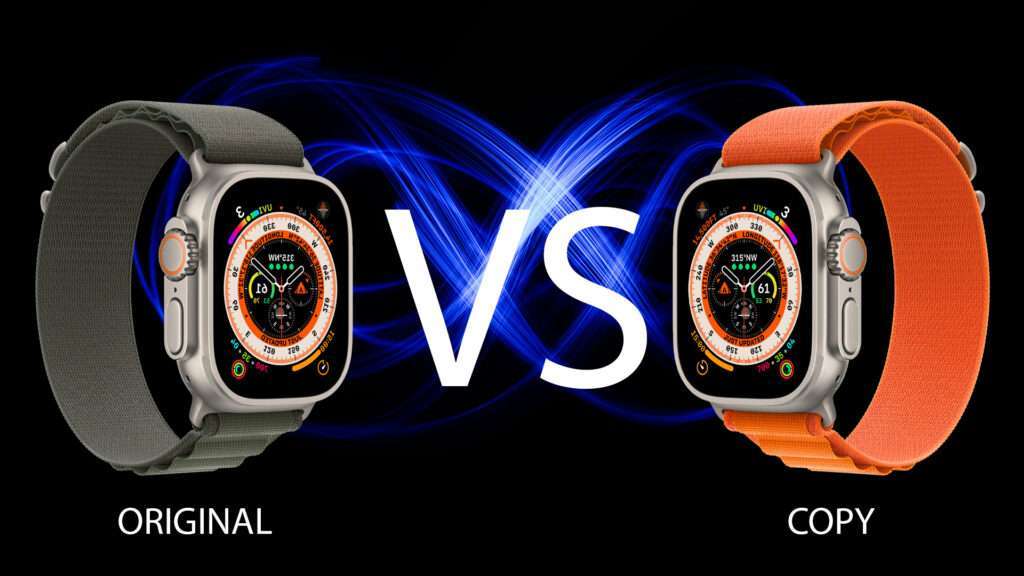
The Original Apple Smartwatch vs. Copycat Smartwatches: Unveiling the True Value of Innovation

The Original Apple Smartwatch vs. Copycat Smartwatches Introduction: When the first Apple smartwatch hit the market, it revolutionized the wearable tech industry, setting a new standard for design, functionality, and innovation. As with any successful product, imitations and copycat versions soon emerged, attempting to replicate the original’s features at a lower cost. In this blog, we’ll explore the key differences between the original Apple smartwatch and copycat smartwatches, and discuss why investing in authentic innovation is the best choice for consumers. 1. The Original Apple Smartwatch: A Trailblazer in Wearable Tech: The original Apple smartwatch, known for its sleek design and seamless integration with Apple’s ecosystem, introduced a range of groundbreaking features. From the iconic digital crown to the health and fitness tracking capabilities, we’ll examine the unique attributes that set it apart as a pioneer in the wearable tech market. 2. Authentic Innovation and User Experience: Apple’s relentless pursuit of excellence in user experience is one of the reasons why its smartwatches stand out. We’ll delve into the meticulous attention to detail, user-friendly interfaces, and software optimizations that make the original Apple smartwatch a joy to use. 3. Quality and Longevity: Copycat smartwatches may offer similar functionalities on the surface, but they often fall short in terms of quality and longevity. We’ll discuss how the original Apple smartwatch’s premium materials, craftsmanship, and ongoing software support ensure a longer lifespan and a better overall user experience. 4. Ecosystem Integration and Seamless Connectivity: Apple’s smartwatches are designed to seamlessly integrate with iPhones and other Apple devices, creating a unified ecosystem. We’ll explore the benefits of this integration, such as effortless synchronization, app compatibility, and convenient sharing of data. 5. Health and Fitness Tracking Accuracy: Health and fitness tracking capabilities have become a crucial aspect of smartwatches. We’ll examine how the original Apple smartwatch’s advanced sensors and algorithms deliver accurate data, enabling users to monitor their well-being with confidence. 6. App Store and Third-Party Support: Apple’s robust App Store offers a vast selection of apps tailor-made for its smartwatches. Conversely, copycat smartwatches may have limited app support or rely on generic applications. We’ll highlight the significance of third-party support in expanding the smartwatch’s functionality. 7. Security and Data Privacy: With increasing concerns about data privacy, owning an original Apple smartwatch ensures that personal information is well-protected through Apple’s stringent security measures. We’ll discuss the importance of safeguarding sensitive data and how Apple prioritizes user privacy. 8. Warranty and Customer Support: Purchasing an original Apple smartwatch provides access to reliable customer support and warranty services, assuring consumers that their investment is safeguarded in case of any issues. We’ll compare this with the potentially limited support available for copycat smartwatches. Conclusion: While copycat smartwatches may offer a budget-friendly alternative, they often pale in comparison to the original Apple smartwatch’s authenticity, innovation, and user experience. Investing in the genuine product guarantees top-notch quality, seamless ecosystem integration, and ongoing software updates, ensuring a more fulfilling and secure experience. Ultimately, the original Apple smartwatch represents the pinnacle of wearable technology, combining style, functionality, and innovation in a way that has transformed the lives of millions worldwide.

AirPods vs. Hands-Free: The Ultimate Audio Showdown

AirPods vs. Hands-Free: The Ultimate Audio Showdown Introduction In today’s fast-paced world, our need for seamless communication and entertainment has driven technological advancements in the audio industry. Gone are the days of tangled cords and bulky headphones; now, we have the convenience of wireless audio devices such as AirPods and hands-free headsets. In this blog, we will explore the differences between AirPods and hands-free headsets, comparing their features, benefits, and drawbacks to help you make an informed decision on which one suits your lifestyle best. Design and Comfort AirPods, designed and manufactured by Apple, are known for their sleek and minimalist design. They fit comfortably in the ears and come with a charging case that doubles as a protective cover and power source. The lightweight design ensures they remain secure during physical activities and extended wear. On the other hand, hands-free headsets typically have an around-the-neck or over-the-ear design, with earbuds connected by a neckband. While some users find this design more comfortable, others may find it less appealing due to the additional weight and bulkiness. Connectivity and Compatibility AirPods are exclusively designed for Apple devices and seamlessly integrate with iPhones, iPads, and Macs. The connection is facilitated through Apple’s proprietary W1 or H1 chip, providing stable wireless connectivity and automatic pairing across all compatible devices logged into the same iCloud account. However, they can also connect to other devices via standard Bluetooth protocols. Hands-free headsets, depending on the model, are generally compatible with a broader range of devices, including Android smartphones, tablets, and computers. They typically use standard Bluetooth connectivity, making it easier to connect to non-Apple devices. Sound Quality Sound quality is a critical factor for any audio device. AirPods offer impressive sound quality, delivering rich bass and clear highs. The proprietary Apple-designed drivers and active noise cancellation (ANC) in some models further enhance the audio experience, immersing users in their favorite music or podcasts. Hands-free headsets vary in sound quality based on the brand and model. Some high-end hands-free headsets can rival the audio performance of AirPods, while others may not deliver the same level of clarity and bass. Battery Life and Charging AirPods come with a compact charging case that provides extra battery life on the go. Depending on the model, AirPods can last several hours on a single charge, and the case can extend that playback time even further. The convenience of simply placing the AirPods back in the case to charge is a major advantage. Hands-free headsets often have a longer battery life, thanks to their larger physical size, which allows for more substantial battery capacity. However, they generally lack the compact charging case that AirPods offer, making them less convenient to carry around. Active Noise Cancellation (ANC) Apple’s premium AirPods Pro model features Active Noise Cancellation, which uses advanced algorithms to block out ambient noise and create a more immersive audio experience. ANC is especially useful in noisy environments, such as during commutes or while traveling. While some high-end hands-free headsets also offer ANC, it is not as common as it is in AirPods and usually comes at a higher price point. Conclusion In the battle of AirPods vs. hands-free headsets, the right choice ultimately depends on your preferences and the devices you use. If you are heavily invested in the Apple ecosystem and value convenience, seamless integration, and ANC, AirPods could be the ideal choice for you. On the other hand, if you prefer more versatile compatibility, longer battery life, and a variety of design options, a hands-free headset might be the better fit. Both options offer a wireless and untethered audio experience, freeing you from the constraints of traditional wired headphones. Whichever you choose, the world of wireless audio awaits, elevating your listening pleasure and enhancing your day-to-day activities.

Enjoy Unfettered Summer Communication with Wireless Earbuds

Enjoy Unfettered Summer Communication with Wireless Earbuds As summer arrives, we eagerly embrace outdoor activities, savoring the sun and fun. Whether we’re hiking, running, lounging by the pool, or picnicking at the park, staying connected with loved ones is paramount. Embracing the convenience of wireless earbuds, we can effortlessly communicate and enjoy our summer adventures without the burden of tangled wires. The Freedom to Move: Gone are the days of being tethered to our devices by annoying wires. Wireless earbuds provide the ultimate freedom of movement, allowing us to engage in any summer activity without restrictions. Whether we’re biking, playing beach volleyball, or exploring a summer festival, wireless earbuds offer the flexibility to move naturally and comfortably while staying connected. Sweat and Water Resistance: Summer temperatures soar, and water-based activities beckon. Traditional earphones would be ill-equipped to handle the heat, humidity, or accidental splashes at the beach or poolside. However, modern wireless earbuds boast sweat and water resistance, making them ideal companions for all our summer adventures. With this assurance, we can fully immerse ourselves in our activities without worrying about damage. Seamless Connectivity: Gone are the days of wrestling with tangled wires or dealing with constant disconnections. Wireless earbuds make connectivity seamless and hassle-free. Utilizing Bluetooth technology, we can easily pair them with our smartphones, tablets, or other compatible devices. Once connected, uninterrupted audio transmission allows us to enjoy our favorite music, podcasts, or phone calls without any disruptions. Enhanced Audio Quality: Wireless earbuds have come a long way in terms of audio quality. Many models now offer impressive sound reproduction and noise-cancellation features, elevating our audio experience. Whether we’re relaxing on the beach, enjoying a playlist, or engaging in a poolside conference call, crystal-clear audio and excellent call quality enhance our enjoyment. Hands-Free Convenience: One of the greatest advantages of wireless earbuds is their hands-free convenience. Equipped with built-in microphones and intuitive controls, we can effortlessly answer calls, adjust volume, or change tracks without reaching for our devices. This feature is especially valuable during summer activities when our hands might be occupied with sports equipment, food, or simply reveling in the outdoors. Conclusion: Wireless earbuds have revolutionized summer communication, elevating our outdoor experiences to a whole new level of convenience and enjoyment. With the freedom to move, sweat and water resistance, seamless connectivity, enhanced audio quality, and hands-free convenience, they have become an essential accessory for hassle-free communication and entertainment. This summer, let’s embrace the benefits of wireless earbuds and stay connected while relishing the beauty of the great outdoors.

features of iOS 17

Features of iOS 17 iOS 17 is a major release that upgrades the communications experience across Phone, FaceTime, and Messages; makes sharing even easier with Air Drop; and provides more intelligent input that improves the speed and accuracy of typing. iOS 17 also introduces new experiences with Journal, an app that makes it easy to capture and organize your thoughts and ideas. Name Drop is another feature that allows you to share your contact information with others by simply tapping your phone against theirs. Here are some of the features of iOS 17: Phone: iOS 17 introduces a new feature called Name Drop which allows you to share your contact information with others by simply tapping your phone against theirs. FaceTime: FaceTime now has audio and video messages, reactions, and extends to Apple TV. Messages: Messages has a fresh look and big updates. You can now create beautiful contact cards, share contacts with gorgeous animations, create your own stickers, see practical information through Stand By when the iPhone is charging, and much more. Air Drop: Air Drop makes sharing even easier. You can now share files with anyone nearby without having to connect to Wi-Fi or Bluetooth. Autocorrect: iOS 17 has an enhanced autocorrect feature that improves the speed and accuracy of typing. It is language-limited to Arabic, Dutch, English, French, German, Hebrew, Korean, Italian, Polish, Portuguese, Romanian, Spanish, and Thai. Enhanced autocorrect in English, French, and Spanish is restricted to the iPhone 12 and newer models. Journal: Journal is an app that makes it easy to capture and organize your thoughts and ideas. You can add photos or videos to your entries and use tags to organize them. The release date for iOS 17 has not been announced yet but it will be available on all devices that support iOS 16.

Unleashing the Power of Artificial Intelligence and Machine Learning

Unleashing the Power of Artificial Intelligence and Machine Learning Introduction: Artificial Intelligence (AI) and Machine Learning (ML) have emerged as groundbreaking technologies with the potential to revolutionize various industries. In this blog, we will delve into the world of AI and ML, exploring their applications, algorithms, ethical considerations, and the latest developments in the industry. Join us as we unlock the power of AI and ML and uncover the possibilities they offer. 1. Understanding Artificial Intelligence and Machine Learning: Defining AI and ML: Explaining the concepts and differences between AI and ML. AI vs. Traditional Programming: Highlighting how AI and ML differ from conventional programming approaches. The Importance of Data: Discussing the role of data in training AI and ML models. 3. Machine Learning Algorithms: Natural Language Processing (NLP): Exploring how AI and ML enable machines to understand and process human language, leading to advancements in chatbots, voice assistants, and language translation. Computer Vision: Discussing the use of AI and ML in image recognition, object detection, facial recognition, and autonomous vehicles. Predictive Analytics: Exploring how AI and ML algorithms can analyze historical data to make accurate predictions and drive business insights. Personalized Recommendations: Examining how AI-powered recommendation systems enhance user experiences in e-commerce, streaming platforms, and content recommendations. Healthcare and Medicine: Highlighting the role of AI and ML in medical diagnostics, drug discovery, personalized medicine, and patient monitoring. 3. Machine Learning Algorithms: Supervised Learning: Explaining the fundamentals of supervised learning algorithms, such as linear regression, decision trees, and support vector machines. Unsupervised Learning: Discussing unsupervised learning algorithms like clustering and dimensionality reduction, enabling pattern discovery and data exploration. Deep Learning: Exploring neural networks, deep learning architectures, and their applications in image recognition, natural language processing, and speech recognition. Reinforcement Learning: Introducing reinforcement learning and its use in training AI agents through interaction with the environment. 4. Ethical Considerations in AI and ML: Bias and Fairness: Addressing the challenges of biased algorithms and the importance of fairness in AI systems. Privacy and Data Security: Discussing the ethical implications of AI and ML regarding data collection, storage, and usage. Transparency and Explainability: Exploring the need for transparent and interpretable AI models to build trust and ensure accountability. Job Displacement and Social Impact: Examining the potential impact of AI and ML on the job market and society, along with strategies for managing these challenges. 5. Industry Developments and Future Trends: AI in Business: Discussing how AI and ML are transforming industries such as finance, manufacturing, retail, and customer service. Cutting-edge Research and Breakthroughs: Highlighting recent advancements in AI and ML research, including new algorithms, architectures, and applications. AI Ethics and Regulations: Exploring ongoing efforts to establish ethical frameworks and regulations for responsible AI development and deployment. Future Trends and Predictions: Speculating on the future of AI and ML, including emerging technologies, industry disruptions, and societal implications.

Operating System

Operating System

Operating System An operating system (OS) is the software that manages computer hardware and software resources, and provides common services for computer programs. It acts as an interface between the user and the computer hardware, and without it, a computer would be unable to function. In this blog, we will discuss the different types of operating systems, their functions, and their features. Types of Operating Systems: There are three main types of operating systems: Windows, macOS, and Linux. Windows is the most popular operating system and is used by the majority of computer users. macOS is exclusive to Apple products, and Linux is an open-source operating system that is popular with developers. Functions of Operating Systems: The primary function of an operating system is to manage computer hardware and software resources. This includes managing memory, processing power, input/output operations, and storage devices. Operating systems also provide a user interface, which allows users to interact with the computer. Features of Operating Systems: The features of an operating system vary depending on the type of operating system. However, there are some common features that are found in all operating systems. These include: User Interface: The user interface is how users interact with the operating system. This can be through a graphical user interface (GUI) or a command-line interface (CLI). Multitasking: Operating systems can run multiple programs at the same time, allowing users to perform multiple tasks simultaneously. Memory Management: Operating systems manage memory resources to ensure that programs have enough memory to run efficiently. Security: Operating systems provide security features such as user accounts, passwords, and firewalls to protect against unauthorized access. File Management: Operating systems manage files and directories, allowing users to create, edit, and delete files. Device Management: Operating systems manage hardware devices such as printers, scanners, and cameras. Advantages of Operating Systems: Operating systems offer several advantages, including: Ease of use: Operating systems provide a user-friendly interface that makes it easy for users to interact with the computer. Multitasking: Operating systems allow users to perform multiple tasks simultaneously, which can increase productivity. Security: Operating systems provide security features that protect against unauthorized access and malware. Compatibility: Operating systems are designed to work with a wide range of software and hardware, making it easy to find compatible applications and devices. Stability: Operating systems are designed to be stable and reliable, ensuring that the computer runs smoothly and does not crash or freeze. Disadvantages of Operating Systems: Operating systems also have some disadvantages, including: Cost: Operating systems can be expensive, especially if you are purchasing a new computer that comes with a pre-installed operating system. Learning Curve: Operating systems can be complex, and it can take time to learn how to use them effectively. Compatibility Issues: Some software and hardware may not be compatible with certain operating systems, which can limit the functionality of the computer. Security Vulnerabilities: Operating systems are a prime target for hackers and malware, and security vulnerabilities can be exploited to gain unauthorized access to the computer. Conclusion: An operating system is an essential component of a computer, and it is responsible for managing computer resources and providing a user interface. There are several types of operating systems, each with their own features and functions. Operating systems offer many advantages, including ease of use, multitasking, security, compatibility, and stability. However, they also have some disadvantages, including cost, a learning curve, compatibility issues, and security vulnerabilities. Ultimately, choosing the right operating system will depend on your needs, preferences, and budget.   Latest Blogs Operating System Read More Choosing the Best Computer. Read More The Ultimate Guide to Headphones Read More

computer

Choosing the Best Computer.

Choosing the Best Computer. Choosing the right computer can be a daunting task. There are so many options available in the market, and it can be challenging to determine which one is the best fit for your needs. In this blog, we will discuss some essential factors to consider when choosing a computer that will best suit your requirements. Purpose of Use: The first step to choosing the right computer is to determine its purpose of use. If you need a computer for basic tasks like browsing the web, checking emails, and word processing, then a budget laptop or desktop will suffice. On the other hand, if you need a computer for gaming or graphic design, then a high-performance desktop with a dedicated graphics card is essential. Operating System: The operating system (OS) is the software that runs on your computer, and it can significantly impact your user experience. There are three main operating systems to choose from: Windows, macOS, and Linux. Windows is the most popular OS and is compatible with the most software. macOS is exclusive to Apple products and offers a more streamlined user experience. Linux is an open-source OS and is popular with programmers and developers. Processor: The processor is the brain of your computer, and it determines how fast your computer can perform tasks. There are two main processor brands: Intel and AMD. Intel processors are known for their strong single-core performance, which is ideal for tasks like gaming and video editing. AMD processors offer more cores and threads, which are better suited for tasks like programming and multitasking. RAM: Random Access Memory (RAM) is the temporary memory used by your computer to store data that is currently in use. The more RAM you have, the faster your computer can perform tasks. For basic tasks, 4-8 GB of RAM is sufficient, but for more demanding tasks, like gaming and video editing, 16-32 GB of RAM is recommended. Storage: Storage is where your computer stores all of your data, including your operating system, programs, and files. There are two types of storage: Hard Disk Drives (HDDs) and Solid State Drives (SSDs). HDDs are slower and offer more storage capacity, while SSDs are faster and more expensive. A good compromise is to have a smaller SSD for your operating system and frequently used programs, and a larger HDD for storing files. Graphics Card: A dedicated graphics card is essential for tasks like gaming, video editing, and 3D modeling. If you don’t need a dedicated graphics card, then an integrated graphics card will suffice. Display: The display is where you will be viewing all of your content, so it’s essential to choose one that is suitable for your needs. For basic tasks, a 1080p display is sufficient, but for tasks like gaming and graphic design, a 1440p or 4K display is recommended. Conclusion: Choosing the right computer can be a challenging task, but by considering these essential factors, you can ensure that you get the best computer for your needs. Remember to determine the purpose of use, choose the right operating system, processor, RAM, storage, graphics card, and display. By doing so, you will be able to enjoy a smooth user experience and get the most out of your computer.   Latest Blogs Operating System Read More Choosing the Best Computer. Read More The Ultimate Guide to Headphones Read More

headphones

The Ultimate Guide to Headphones

The Ultimate Guide to Headphones. How to Choose the Right Pair for You Headphones have become an essential accessory for anyone who loves music, podcasts, or audiobooks. With so many options available, it can be challenging to find the right pair for your needs. In this guide, we’ll cover everything you need to know about headphones, including the different types, features, and how to choose the perfect pair. Types of Headphones: In this section, we’ll discuss the three primary types of headphones: over-ear, on-ear, and in-ear. We’ll explain the pros and cons of each and provide recommendations based on your preferences. Wired vs. Wireless: Here, we’ll explore the differences between wired and wireless headphones. We’ll discuss the advantages and disadvantages of each and provide tips for choosing the right type for you. Noise-Cancelling Technology: Noise-cancelling headphones are becoming increasingly popular. In this section, we’ll explain how noise-cancelling technology works and provide recommendations for the best noise-cancelling headphones on the market. Sound Quality: Sound quality is one of the most important factors to consider when buying headphones. We’ll discuss what to look for in terms of frequency response, sensitivity, and impedance, and provide recommendations for high-quality headphones. Comfort and Fit: Comfort is crucial when it comes to headphones, especially if you plan to wear them for extended periods. We’ll discuss what to look for in terms of earpad materials, headband padding, and adjustability, and provide recommendations for the most comfortable headphones. Durability: Headphones are an investment, so it’s essential to choose a pair that will last. In this section, we’ll discuss what to look for in terms of materials, build quality, and warranty, and provide recommendations for the most durable headphones. Brand and Price: Brand and price are also important factors to consider when choosing headphones. We’ll discuss the most popular brands and provide recommendations for the best headphones at different price points. Special Features: Many headphones come with special features, such as touch controls, voice assistants, and more. In this section, we’ll discuss some of the most popular features and provide recommendations for the best headphones with these features. Best Headphones for Different Activities: Different headphones are better suited for different activities, such as exercising or traveling. In this section, we’ll provide recommendations for the best headphones for different activities. How to Care for Your Headphones: Finally, we’ll discuss how to care for your headphones to ensure they last as long as possible. We’ll provide tips for cleaning and storing your headphones, as well as how to troubleshoot common issues. Conclusion With this guide, you should have all the information you need to choose the perfect pair of headphones for your needs. Whether you’re looking for the best sound quality, the most comfortable fit, or the most durable headphones, we’ve got you covered. Happy listening!

What is “CHAT GPT”

What is “CHAT GPT” Chat GPT is a language model that can generate text based on the input it receives. The model has been specifically trained on conversational data, making it well-suited for use in chatbots, virtual assistants, and other conversational applications. The model works by using a transformer-based architecture that is able to process text input in a way that allows it to understand context and generate more natural-sounding responses. Introduction Chat GPT is a language model that can generate text based on the input it receives. The model has been specifically trained on conversational data, making it well-suited for use in chatbots, virtual assistants, and other conversational applications. The model works by using a transformer-based architecture that is able to process text input in a way that allows it to understand context and generate more natural-sounding responses. How Does Chat GPT Work? Chat GPT uses a transformer-based architecture, which is a deep learning algorithm that is able to process sequential data such as text. The transformer architecture has two main components: the encoder and the decoder. The encoder is responsible for processing the input text, while the decoder is responsible for generating the output text. In the case of Chat GPT, the input text is the user’s message, and the output text is the chatbot’s response. The transformer architecture works by breaking down the input text into smaller pieces called tokens, which are then embedded into a high-dimensional space. The model then processes these tokens using attention mechanisms, which allow it to focus on specific parts of the input text and generate more relevant responses. This attention mechanism is what allows Chat GPT to understand context and generate more natural-sounding responses. Training Data: Chat GPT has been trained on a massive corpus of text data that includes millions of examples of human conversations. This data comes from a variety of sources, including social media, messaging apps, and other online forums. The model has been trained to recognize patterns in this data and use those patterns to generate responses that are similar to those of human speakers. Conclusion: Chat GPT is a powerful language model that has been specifically designed for conversational applications. It is able to generate natural-sounding responses that can improve the user experience and increase engagement. With its ability to understand context and generate personalized responses, Chat GPT represents a significant step forward in the development of chatbot technology. As the technology continues to evolve, it is likely that we will see Chat GPT and other advanced language models being used in a variety of different applications, from customer service to virtual assistants to entertainment.

Shopping Cart